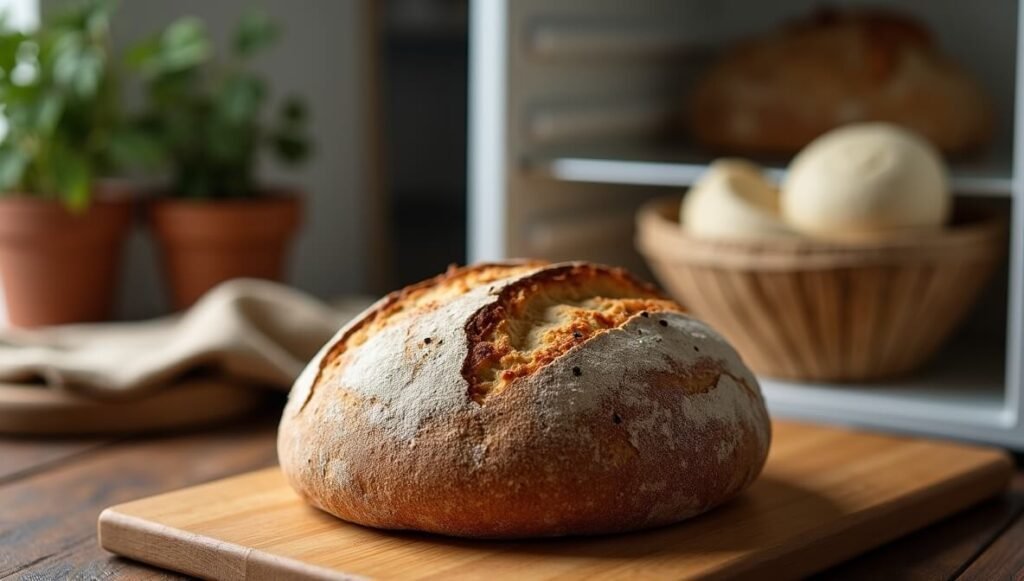
When it comes to proofing your sourdough in the fridge, many bakers swear by it as the best method for getting that perfect loaf. The incredible flavor and texture are a result of cold proofing, a powerful technique in a baker’s toolkit. The process, sometimes called cold retard, slows down the fermentation, giving the dough a longer time to develop and improve its crumb and taste.
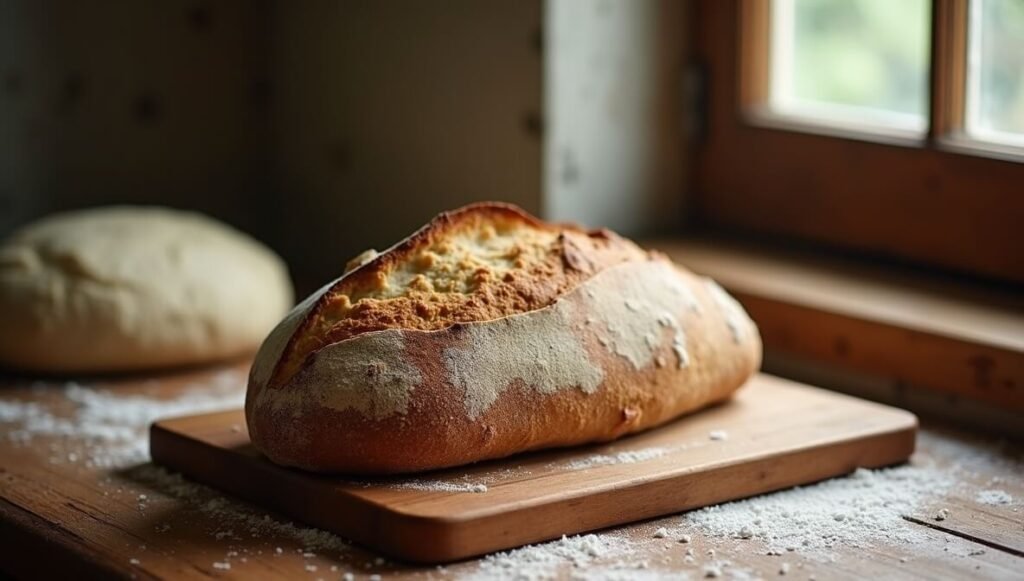
This extended proofing time also lends the sourdough its iconic blistered and crisp crust, something aficionados love. As the moisture from the outer layer is either evaporated or absorbed into the banneton, the loaf achieves a more complex and nuanced flavor profile.
The Secret to Perfect Sourdough: Proofing in the Fridge ? THE ANSWER
While proofing in the fridge might seem like a step to wonder, it is a beneficial technique. However, it’s important to remember that proofing is not the same as fermentation—a common confusion among bakers—and proper technique is key to achieving the tang and flavor you’re after.
What Is Proofing?
Proofing is an essential part of making sourdough. It’s the resting period where the dough rests after shaping but before baking. Usually, it’s done at room temperature, but to avoid over proof, it’s important to keep the proofing short. Many bakers prefer cold proofing, which means placing the dough in a banneton and putting it in the refrigerator.
During this time, the yeast becomes mostly dormant, but the bacteria continue to work, giving the bread that trademark tang. This method is also called retarding or cold retard, as it stops the dough from rising too much, saving its energy for when it’s put in the oven. Understanding the difference between bulk fermentation and proofing can be helpful, and you can check out a sourdough glossary for more terminology and a deeper look into the process.
Why Proof Sourdough In The Fridge
- Proofing your sourdough in the fridge is a great method to develop deeper flavors. The cold ferment process slows down the yeast activity, allowing the bacteria in the starter to break down starches into acetic acids and lactic acids, which create the signature sour tang that many sourdough lovers enjoy. This results in a more complex flavor compared to room temperature proofing.
- Cold retard also gives you better control over your dough development. As the yeast slows, the dough is allowed to rise more slowly, which helps develop better gluten and air pockets in the crumb. This makes your sourdough easier to handle, flip, and score because the dough becomes sturdier and resists spreading.
- Using the fridge for proofing extends your timing window, allowing you to bake on your schedule instead of the dough’s. The longer you allow the dough to sit in the fridge, the better the oven spring and crust will be. You can experiment with different proofing times to match your family’s tastes and get that perfect loaf with a crispy crust and a light, airy crumb.
Underproofed Sourdough? Don’t Bake Before Reading!
pain de mie bread : Click to read
How Long To Proof Sourdough In The Fridge
- The time you should proof sourdough in the fridge depends on a few factors. If you’re in a hurry, a short 2-hour cold ferment might work, but it won’t do much for the flavor. On the other hand, a super long 84-hour cold retard could lead to over-proofed bread that lacks the energy needed for a good oven spring.
- For a balanced approach, you can prepare 2-3 loaves and store them in the fridge for the next few days. This way, you can maximize your efforts and minimize cleanup, while ensuring your family enjoys fresh baked bread. I personally like to bake a loaf on Saturday, another for Sunday dinner, and the last for Monday or Tuesday. This helps me stay on top of my baking schedule while always having fresh bread on hand.
- If you prefer a more sour loaf, try letting the bulk ferment on the counter for a longer time before doing a short second rise in the fridge. For a more flavorful loaf, keep the bulk fermentation short and store it in the fridge for a longer period. The quantity of starter and the length of the bulk proof also play a role—recipes with a higher quantity of starter will likely need less time in the cold compared to recipes with a lower quantity of starter.
My Preferences For Proofing In The Fridge
When I make sourdough, I often prefer proofing my bread in the fridge for 48+ hours. In one recent experiment, I made 2 identical batches of my small loaf sourdough recipe, with everything done exactly the same except for the proofing time. The loaf that was proofed for 24 hours had larger air pockets, but its crumb was slightly underdeveloped, which you can see in the photos. On the other hand, the 48-hour loaf had a much lighter, airier texture, with a mildly sour taste and a more complex flavor.
The longer-fermented bread had a much better oven spring, which made it bloom beautifully at the score. The 24-hour cold fermented loaf, however, lacked that depth and complexity. It just didn’t have the same oven spring or that characteristic texture that makes sourdough so special. In my experience, the longer you proof in the fridge, the better the results in terms of flavor and structure.
I find that the longer proofing time really makes a difference in the final outcome. If you prefer sourdough with a more developed crumb and flavor, I highly recommend proofing for 48+ hours. The bread becomes lighter, airier, and has the perfect balance of sourness and depth, while the 24-hour loaf is just a bit too flat and underdeveloped for my taste.
How To Proof Sourdough In The Fridge
Once you’ve followed your sourdough bread recipe up to the final shaping stage, it’s time to focus on the proofing process. Begin by shaping your dough into a boule or batard, depending on your preference. After shaping, place the loaf into a banneton or any banneton alternative you have available. Let the dough rest at room temperature for about 1 hour to allow it to relax and expand before the final rise.
Next, cover the proofing basket with a plastic shower cap, plastic wrap, or simply slide it into a plastic bag. This helps to maintain the moisture needed for the dough to proof properly. Now, place the covered dough into the fridge for the desired length of time. The time spent in the fridge allows the flavors to develop slowly, contributing to the depth of the sourdough.
When you’re ready to bake, preheat the oven and a dutch oven for the best results. Once your oven is fully preheated, you can transfer your sourdough straight from the fridge into the oven, avoiding the need to let it warm up at room temperature. This method ensures that the dough stays cool for a crisp, perfectly baked crust. Whether you choose to rest it for a longer period in the fridge or bake it sooner, this fridge time is crucial for the final texture and flavor of your sourdough bread.
Benefits of Proofing Sourdough In The Fridge
One of the main benefits of proofing sourdough in the fridge is the flexibility it offers, allowing you to bake sourdough later. The slow fermentation process helps increase flavor and adds a nice sourness to your bread, especially if you prefer a more tangy taste. By doing so, you also avoid the risk of over proofing on the counter, giving you more control over the final product.
Additionally, prolong fermentation brings the advantage of a long fermented sourdough bread with a more developed taste and texture. The dough becomes easier to score and handle, making the transfer to a banneton much smoother. As a result, you get a darker, caramelised crust and a glossy, blistered sourdough crust that adds to the overall appeal of your bread.
Are Probiotics Really in Sourdough Bread? Find Out Now!
Proofing Sourdough Overnight In The Fridge
If you’re someone who loves baking sourdough but has a busy schedule, proofing your dough overnight in the fridge can be a game changer. Simply plan your sourdough baking timeline so that your bulk fermentation finishes in the evening. After shaping the dough, place it in the fridge to proof overnight. By the time you wake up in the morning, your sourdough will be ready to bake.
This method works well for those who need to fit baking into their busy lives, like a busy mom trying to juggle time around kids. Besides sourdough bread, this technique is great for sourdough cinnamon rolls or even sourdough garlic bread rolls, adding extra flavor to your fluffy creations.
FAQs
How Long Do you Leave Sourdough in the Fridge to Proof?
To proof your sourdough, let it sit, covered, at room temperature for up to 3–4 hours, then move it to the refrigerator for 12–15 hours. If you’re in a hurry, use a proof box, warm cooler, or slightly warm oven to speed the process. This method is perfect for proofing overnight and baking in the morning.
How Long Does Sourdough take to Ferment in the Fridge?
Sourdough can ferment in the fridge from 12 hours to 3-4 days, with 24-48 hours often giving the best flavor. The ideal time depends on the fridge temperature, yeast, starter, and your desired outcome. A longer ferment makes the dough easier to handle and score, but excessively long ferments can reduce oven spring.
Is it Better to Let Sourdough Rise in the Fridge?
Yes, it’s often better to let sourdough rise in the fridge during cold proofing. The cold slows the yeast activity, but a longer fermentation in the refrigerator creates a more complex flavor and makes the dough easier to handle. Cold proofing also gives you scheduling flexibility, so you can bake when it’s most convenient, even if it means letting it rise overnight or for a multi-day rise.
What Happens if you Don’t Cold Proof?
If you skip cold proof, your sourdough may lack complex flavour and the tangy flavour from acetic acid production. Colder temps enhance flavor development, and without it, you lose some scheduling flexibility for convenient baking.